
Taste the Tradition of Gujarat: 7 Authentic Gujarati Recipes Made with Wood-Pressed Oils

From the flavours of Kathiyawad to the warmth of traditional Gujarati home cooking, discover how wood-pressed oils and authentic recipes bring Gujarat’s culinary heritage to your kitchen.
Introduction: Gujarat on a Plate
Gujarati cuisine is more than food. It is a celebration of culture, family, festivals, and generations of culinary wisdom.
From spicy Kathiyawadi dishes to the comforting sweetness of Gujarati dal, every region has its own unique identity. Groundnut oil and sesame oil have traditionally been used in different Gujarati households, depending on local customs and recipes.
At Harakh Naturals, we believe that traditional food deserves ingredients chosen with care.
Our wood-pressed oils offer distinctive flavours that complement many Gujarati dishes, helping you reconnect with familiar recipes while exploring traditional ingredients.
1. Kathiyawadi Lasaniya Bataka — Spicy Garlic Potatoes

Let’s discover seven beloved Gujarati dishes you can prepare at home using Harakh Naturals wood-pressed oils.
Region: Saurashtra and Kathiyawad, Gujarat
Kathiyawadi lasaniya bataka is a favourite among those who love bold flavours. Potatoes, garlic, red chilli, and aromatic spices come together to create a delicious and spicy dish.
Preparation time: 15 minutes
Cooking time: 20 minutes
Serves: 3–4 people
Ingredients
- 500 g boiled potatoes, cut into cubes
- 2 tablespoons Harakh Naturals wood-pressed groundnut oil
- 8–10 garlic cloves, crushed
- 1–2 teaspoons red chilli powder
- ½ teaspoon turmeric powder
- 1 teaspoon coriander-cumin powder
- ½ teaspoon mustard seeds
- A pinch of asafoetida (hing)
- Salt to taste
- Fresh coriander and lemon juice, optional
Method
- Heat the groundnut oil in a pan over medium heat.
- Add mustard seeds and allow them to crackle. Add asafoetida and crushed garlic.
- Sauté until the garlic becomes aromatic without burning.
- Add turmeric, red chilli powder, and coriander-cumin powder. Stir briefly.
- Add the boiled potatoes and salt. Mix well until the potatoes are coated with the masala.
- Cook for 8–10 minutes, stirring occasionally, until the potatoes become lightly crisp.
- Garnish with fresh coriander and a little lemon juice, if desired.
Serving suggestion: Enjoy hot with bajra rotla, sliced onions, and chaas.
Recommended oil: Harakh Naturals Wood-Pressed Groundnut Oil.
2. Gujarati Methi Thepla — A Traditional Everyday Favourite

Region: Popular throughout Gujarat
Soft, flavourful theplas are a staple of Gujarati kitchens. Fresh fenugreek leaves, whole-wheat flour, and spices create a delicious flatbread suitable for breakfast, lunch, or travel.
Preparation time: 15 minutes
Resting time: 10 minutes
Cooking time: 20 minutes
Serves: 3–4 people
Ingredients
- 2 cups whole-wheat flour
- 1 cup finely chopped fresh methi leaves
- 2 tablespoons plain yoghurt
- 1 tablespoon Harakh Naturals wood-pressed groundnut oil for the dough
- ½ teaspoon turmeric powder
- 1 teaspoon red chilli powder
- ½ teaspoon cumin powder
- Salt to taste
- Water as needed
- A little additional groundnut oil for cooking
Method
- Combine the flour, chopped methi, yoghurt, spices, salt, and one tablespoon of oil.
- Gradually add water and knead into a soft dough.
- Cover and rest for 10 minutes.
- Divide the dough into equal portions and roll each into a thin circle.
- Heat a tawa and cook each thepla on both sides.
- Apply a little groundnut oil as needed and cook until golden spots appear.
- Repeat with the remaining dough.
Serving suggestion: Serve with plain yoghurt, mango pickle, or masala chai.
Recommended oil: Harakh Naturals Wood-Pressed Groundnut Oil.
3. Gujarati Khaman Dhokla — Soft, Steamed and Flavourful

Region: Popular throughout Gujarat
Khaman dhokla is a beloved Gujarati snack known for its soft, spongy texture. Steaming keeps the preparation light, while a fragrant oil-based tempering adds flavour.
Preparation time: 10 minutes
Cooking time: 20 minutes
Serves: 3–4 people
Ingredients
- 1 cup besan (gram flour)
- Approximately ½ cup water
- 2 tablespoons yoghurt
- 1 teaspoon lemon juice
- ½ teaspoon ginger-green chilli paste
- ½ teaspoon fruit salt
- Salt to taste
For the tempering:
- 1 tablespoon Harakh Naturals wood-pressed groundnut oil
- ½ teaspoon mustard seeds
- 1 teaspoon sesame seeds
- 1–2 slit green chillies
- A few curry leaves
- 2 tablespoons water
- Fresh coriander
Method
- Whisk the besan, yoghurt, water, ginger-green chilli paste, lemon juice, and salt into a smooth batter.
- Grease a steaming tray and preheat the steamer.
- Add fruit salt to the batter and fold gently.
- Immediately pour the batter into the tray and steam for 15–20 minutes, or until cooked through.
- Heat groundnut oil in a small pan. Add mustard seeds, sesame seeds, green chillies, and curry leaves.
- Carefully add the water and pour the tempering over the cooked dhokla.
- Garnish with coriander, cut into squares, and serve.
Serving suggestion: Enjoy with green chutney and sweet tamarind chutney.
Recommended oil: Harakh Naturals Wood-Pressed Groundnut Oil.
4. Sev Tameta Nu Shaak — Sweet and Tangy Tomato Curry

Region: Popular in Gujarati households and Kathiyawadi cuisine
This comforting dish combines tangy tomatoes, aromatic spices, and crunchy sev. It is a wonderful example of how simple ingredients can create a distinctive Gujarati favourite.
Preparation time: 10 minutes
Cooking time: 20 minutes
Serves: 3 people
Ingredients
- 4 medium tomatoes, chopped
- 1½ tablespoons Harakh Naturals wood-pressed groundnut oil
- ½ teaspoon mustard seeds
- ½ teaspoon cumin seeds
- A pinch of asafoetida
- ½ teaspoon turmeric powder
- 1 teaspoon red chilli powder
- 1 teaspoon coriander-cumin powder
- 1–2 teaspoons jaggery, optional
- Salt to taste
- Approximately ½ cup water
- 1 cup nylon sev
- Fresh coriander
Method
- Heat groundnut oil in a pan and add mustard seeds and cumin seeds.
- Add asafoetida and chopped tomatoes.
- Add turmeric, chilli powder, coriander-cumin powder, and salt.
- Cook until the tomatoes soften and form a thick gravy.
- Add water and jaggery according to your preferred consistency and taste.
- Simmer for another 5 minutes.
- Add sev just before serving so it retains some of its texture.
Serving suggestion: Serve with rotli, thepla, or bhakhri.
Recommended oil: Harakh Naturals Wood-Pressed Groundnut Oil.
5. Surti Undhiyu — The Celebration of Winter Vegetables

Region: Surat and South Gujarat, enjoyed across the state
Undhiyu is one of Gujarat’s most celebrated traditional dishes. Prepared with seasonal vegetables, herbs, spices, and often methi muthiya, it is especially popular during winter and festive gatherings.
Preparation time: 30 minutes
Cooking time: 40–50 minutes
Serves: 4–5 people
Ingredients
- 1 cup surti papdi or flat beans
- 1 cup chopped purple yam or sweet potato
- 1 cup small aubergines, slit
- 1 cup chopped potatoes
- 1 cup other suitable seasonal vegetables
- 3 tablespoons Harakh Naturals wood-pressed groundnut oil
- 1 teaspoon ginger-green chilli paste
- ½ teaspoon turmeric powder
- 1 teaspoon coriander-cumin powder
- Salt to taste
For the green masala:
- 1 cup fresh coriander
- ½ cup grated coconut
- 1 teaspoon sesame seeds
- 1 teaspoon lemon juice
- 1–2 teaspoons sugar, optional
- A little water, as needed
Optional methi muthiya: Prepare small dumplings using methi leaves, besan, whole-wheat flour, spices, and a little oil.
Method
- Blend the coriander, coconut, sesame seeds, lemon juice, and seasonings into a coarse masala.
- Mix the vegetables with the green masala, turmeric, coriander-cumin powder, and salt.
- Heat the groundnut oil in a heavy-bottomed pot.
- Add the vegetables and stir gently to coat them with the masala.
- Add a little water, cover, and cook over low to medium heat.
- Add the prepared muthiya during cooking, if using.
- Cook until the vegetables are tender, stirring carefully and adding water if necessary.
Serving suggestion: Serve with puri, rotli, or shrikhand as part of a festive Gujarati meal.
Recommended oil: Harakh Naturals Wood-Pressed Groundnut Oil.
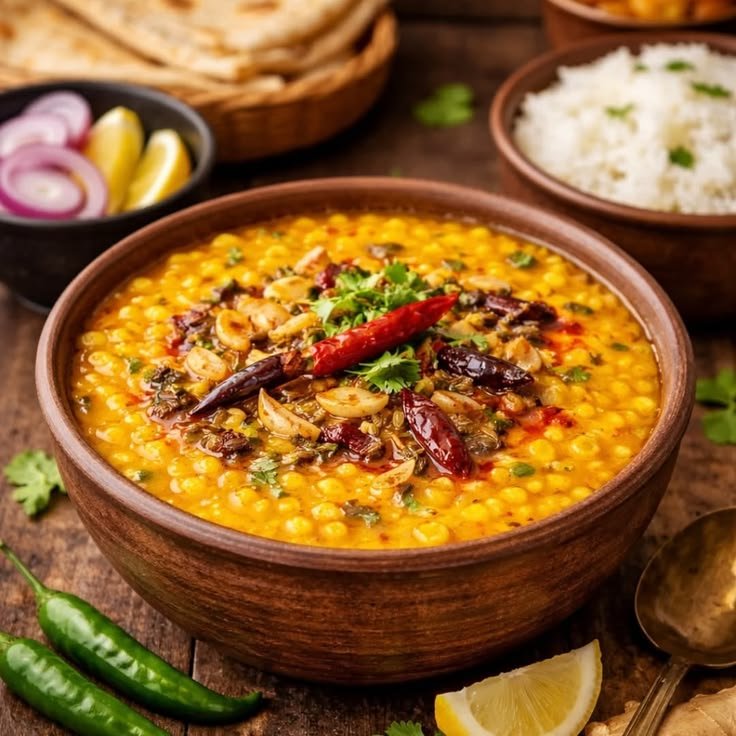
6. Gujarati Dal — The Comfort of a Traditional Meal
Region: Across Gujarat
Gujarati dal is known for its distinctive balance of sweet, sour, and savoury flavours. Every household has its own variation, making it a wonderful example of how food traditions are passed down through generations.
Preparation time: 10 minutes
Cooking time: 25–30 minutes
Serves: 4 people
Ingredients
- 1 cup tuvar dal (pigeon peas)
- Approximately 3 cups water
- 1 tomato, chopped
- 1 teaspoon grated ginger
- ½ teaspoon turmeric powder
- 1–2 teaspoons jaggery, optional
- 1–2 teaspoons lemon juice or tamarind water, adjusted to taste
- Salt to taste
For the tempering:
- 1 tablespoon Harakh Naturals wood-pressed groundnut oil
- ½ teaspoon mustard seeds
- ½ teaspoon cumin seeds
- A pinch of asafoetida
- A few curry leaves
- 1–2 dried red chillies
Method
- Wash the tuvar dal and pressure-cook with water and turmeric until soft.
- Whisk the cooked dal until smooth.
- Add the tomato, ginger, salt, and additional water as required.
- Simmer until the flavours combine.
- Add jaggery and lemon juice or tamarind water to achieve your preferred sweet-sour balance.
- Heat groundnut oil in a small pan. Add mustard seeds, cumin, asafoetida, curry leaves, and dried red chillies.
- Pour the tempering into the dal and simmer briefly.
Serving suggestion: Enjoy with steamed rice, rotli, and a vegetable preparation.
Recommended oil: Harakh Naturals Wood-Pressed Groundnut Oil.
7. Gujarati Handvo — A Savoury, Vegetable-Rich Cake

Region: Popular throughout Gujarat
Handvo is a traditional savoury preparation made with a rice-and-lentil batter, vegetables, and spices. Its golden crust, sesame seeds, and aromatic tempering make it a popular homemade snack.
Preparation time: 20 minutes, excluding soaking and fermentation
Cooking time: 35–45 minutes
Serves: 4 people
Ingredients
- 1 cup rice
- ½ cup mixed lentils, such as chana dal and tuvar dal
- 1 cup grated bottle gourd
- ½ cup yoghurt
- 1 teaspoon ginger-green chilli paste
- ½ teaspoon turmeric powder
- ½ teaspoon baking soda or suitable fruit salt, if required
- Salt to taste
For the tempering:
- 2 tablespoons Harakh Naturals wood-pressed groundnut oil, divided
- 1 teaspoon mustard seeds
- 1 teaspoon sesame seeds
- A pinch of asafoetida
- A few curry leaves
Method
- Wash and soak the rice and lentils for 4–6 hours.
- Grind into a coarse batter and mix with yoghurt.
- Allow the batter to ferment until slightly airy, depending on room temperature.
- Mix in grated bottle gourd, ginger-green chilli paste, turmeric, and salt.
- Add the raising agent just before cooking, if using.
- Heat some groundnut oil in a heavy pan. Add mustard seeds, sesame seeds, asafoetida, and curry leaves.
- Pour in the batter and cover. Cook over low heat until the bottom is golden and the centre begins to set.
- Carefully flip, or finish in a preheated oven, until thoroughly cooked.
Serving suggestion: Serve warm with green chutney and a cup of tea.
Recommended oil: Harakh Naturals Wood-Pressed Groundnut Oil.
Which Wood-Pressed Oil Should You Choose for Gujarati Cooking?
Different Gujarati dishes call for different flavours and cooking techniques. Wood-pressed groundnut oil is a versatile option for many traditional preparations.
- Lasaniya Bataka: Complements garlic and spicy masala.
- Methi Thepla: Suitable for preparing the dough and cooking the flatbread.
- Khaman Dhokla: Works well in the aromatic tempering.
- Sev Tameta Nu Shaak: Complements the tomato and spice gravy.
- Surti Undhiyu: Suitable for sautéing the masala and cooking seasonal vegetables.
- Gujarati Dal: Adds a familiar flavour to the tempering.
- Gujarati Handvo: Suitable for the tempering and pan cooking.
These are suggestions rather than strict rules. You can adapt the recipes to your family’s preferences and the characteristics of the oil you use.
Bring Gujarat’s Traditional Flavours to Your Kitchen
Gujarati cuisine reminds us that good food is built on more than ingredients. It is built on memories, regional traditions, and the joy of sharing a meal.
From a simple bowl of Gujarati dal to a festive serving of Surti undhiyu, wood-pressed oils can be part of the cooking traditions we continue to cherish.
At Harakh Naturals, we celebrate these culinary roots by bringing traditional oils to modern kitchens.
Explore Harakh Naturals and discover traditional oils for your everyday recipes at www.harakh.in.
Harakh Naturals — Nurturing Nature, Nurturing Lives.
Recipe note: These are home-style recipe suggestions. Ingredient quantities may be adjusted to taste. Use edible oils according to their product labels and intended cooking applications.
